
How to buy vintage clothes
VintageBrighton.com editor Jo-ann Fortune’s tips on how to be a clever vintage shopper.
Do your research – Before setting out on a vintage shopping trip, do a quick Google search and ask friends for recommendations on the best vintage boutiques and the well-kept secrets in an area. Vintage shopping can be tiring, so you don’t want to waste your time in shabby or overpriced shops and give up before you find the hotspots.
Rummage – Be prepared to get stuck in – some great pieces can be found in bargain bins and in that corner at the back of the shop that others may overlook . You can also find some great vintage gems, at rock-bottom prices, at car boot sales and charity shops. Many of the latter now have ’boutique’ or ‘vintage’ rails to make it a little easier to find what you’re looking for.
Go to specialist events – Vintage fashion fairs are great places to pick up bargains. Because there are so many stalls to choose from, traders will often offer stock at competitive prices and sometimes use to fairs as an opportunity to off-load items that aren’t selling in their shops in bargain bins or on £5/£10 rails. At some events you even pay by weight or bag, meaning that you can load-up on one-off pieces without breaking into a £20 note. Frock Me!, Judy’s Affordable Fashion Fair and Vintage @ Goodwood all come recommended.
Inspect your item – Look closely at the piece you’re about to buy. As it’s second-hand, it’s more likely to be soiled by stains or have been ravaged by moths, and you don’t want to find out after you’ve handed over your money.
 Go for classic pieces – While that over-sized 1980s sparkly jumper may be a fun novelty, how often are you actually going to wear it? Look for timeless pieces that never go out of style and you will wear again and again, such as jeans, camel coats and LBDs.
Be realistic – you may have grand plans to take that dress up, bring those trousers in and customise that shirt, but unless you are a dab-hand with a sewing machine, such project items will often be forgotten about at the back of your wardrobe. Be realistic about the effort you’re prepared to put into your vintage outfits.
Shop re-made – Re-made items are often more expensive than vintage, as a designer has often had to create one-off pieces by hand, but can be more wearable.
Try it on – Body shapes have changed over the decades and so has sizing, so what is labelled as a size 12 from the 1960s may not fit a size 12 now. The only way to really find out if a piece fits is to try it on. With changes in fashions and body shapes, the cut of clothes and size of shoes have also changed throughout history, so make sure that dress doesn’t swamp you, that blouse will button-up over your bust and those heels aren’t don’t pinch your feet.
Don’t pay the ‘vintage’ tax – Vintage is very cool at the moment, and by sticking the ‘vintage’ label on old tat, some traders think that they can charge triple for their second-hand goods. Remember that vintage clothes, unless they’re designer, shouldn’t put you out of pocket – that’s part of the appeal of shopping second-hand. There are plenty of places where you can pick up good quality vintage clothes at good prices, it just goes back to doing your research and knowing what you should be paying. Oh, and make sure that ‘vintage’ dress isn’t actually last season Primark.
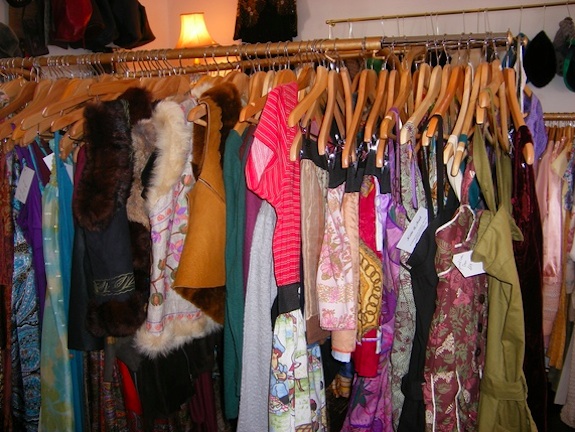
Image: Taken in Kate and Aud’s on Trafalgar Street. Read about the boutique here.


 (No Ratings Yet)
 Loading ...


Leave your response!